
Executive Summary
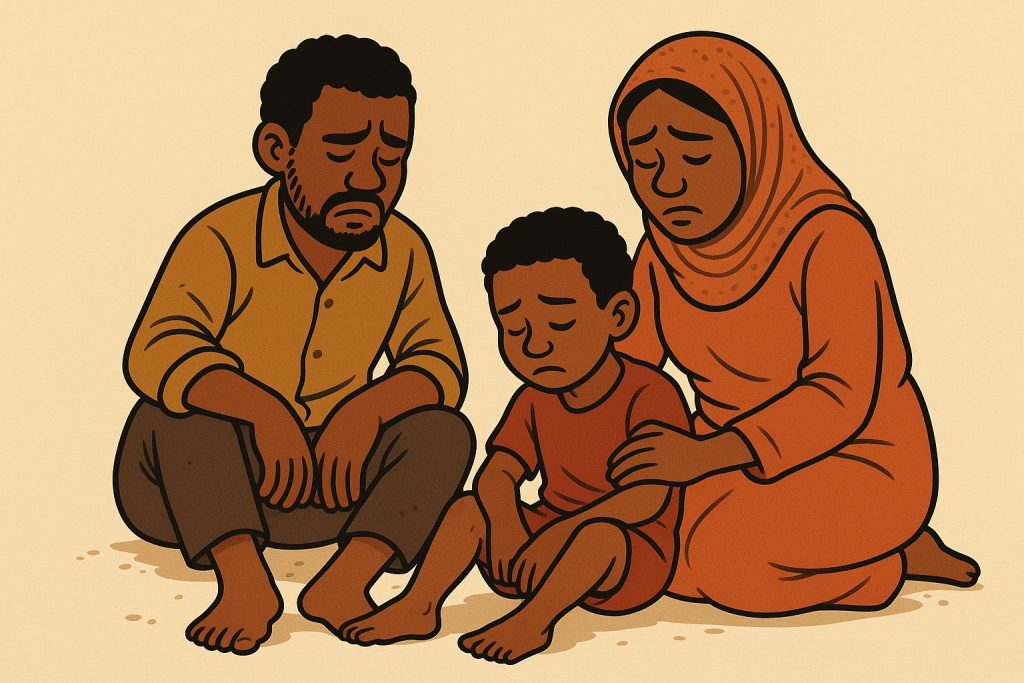
Africa’s economic growth over the past two decades has been significant, yet poverty reduction has remained slow and uneven. Over 530 million Africans are multidimensionally poor—deprived across health, education, and living standards (UNDP & OPHI, 2024). This discussion paper examines the persistence of multi-dimensional poverty, explores its drivers, and proposes practical policy options for inclusive and sustainable transformation across African economies.
Context and Overview
Despite progress in GDP growth and macroeconomic stability, Africa remains the world’s most impoverished continent in multi-dimensional terms. Income measures alone mask the breadth of deprivation that households face—limited access to clean energy, poor health outcomes, and inadequate education. Recent shocks—including COVID-19, inflation, and climate-related disasters—have intensified these vulnerabilities, pushing an additional 30 million Africans into poverty since 2020 (World Bank, 2023).
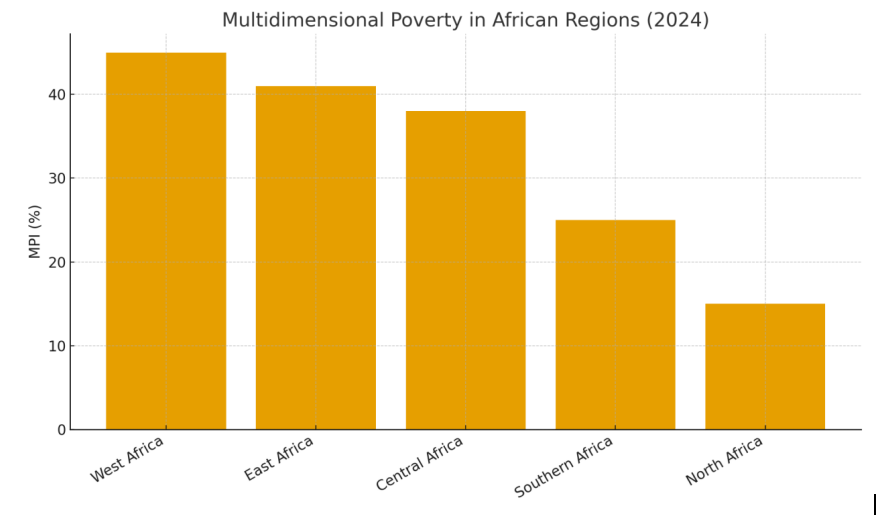
Figure 1: Multidimensional Poverty Index (MPI) by Region, 2024 (Source: UNDP & OPHI, 2024)
Analytical Framework
Multi-dimensional poverty captures deprivations across multiple indicators simultaneously. The African experience shows that income-based metrics underestimate the extent of vulnerability. The UNDP’s MPI measures deprivation across health, education, and living standards, using indicators such as nutrition, child mortality, school attendance, cooking fuel, sanitation, and assets.
Empirical Trends and Evidence
As of 2024, approximately 40 percent of Africans live in multi-dimensional poverty. The distribution is uneven: West and East Africa record the highest incidence, while Southern and North Africa show relative progress. Rural areas account for over 80 percent of the multi-dimensionally poor.
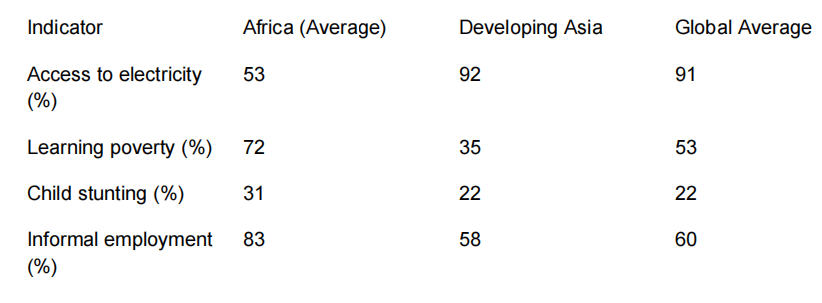
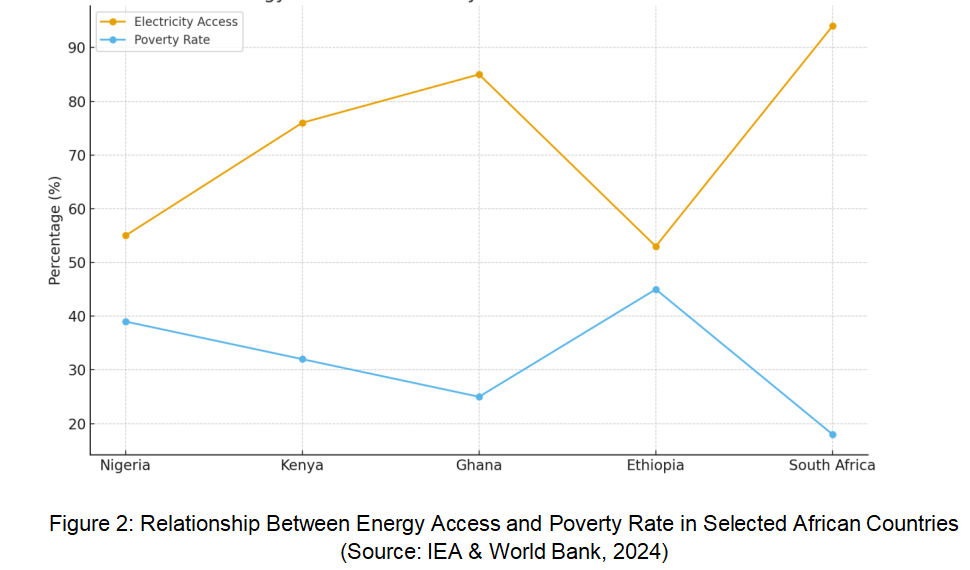
Table 1: Energy Access and Poverty Rate in Selected Countries.
Structural Drivers of Poverty
The persistence of poverty in Africa stems from several interrelated structural challenges: low agricultural productivity, limited energy access, poor human capital outcomes, and weak governance institutions. These factors reinforce one another, creating persistent poverty traps that are difficult to escape without coordinated multi-sectoral intervention.
Policy Gaps and Institutional Weaknesses
Most African poverty strategies are fragmented, short-term, and underfunded. Weak fiscal capacity and donor dependency limit the ability of governments to implement sustained programs. Outdated household data and weak monitoring systems impede policy learning.
Policy Options for Transformation
The following integrated policy approaches can accelerate multi-dimensional poverty reduction:
- Reorient growth toward inclusion and productivity—support labor-intensive sectors and rural value chains.
- Expand human capital and social protection systems—invest in education quality, universal health coverage, and digital safety nets.
- Address energy poverty as a cross-cutting enabler—expand mini-grids, solar solutions, and affordable tariffs.
- Strengthen governance and fiscal coherence—improve tax systems, transparency, and inter-ministerial coordination.
- Adopt climate-resilient, gender-responsive frameworks for sustainable development.
Implementation Pathway and Financing
Implementation requires coherent institutions, reliable data, and innovative financing. Governments should embed MPI indicators in national development plans and mobilize domestic revenues through tax reforms, while leveraging blended finance and public-private partnerships to expand social investment.
Case Studies of Emerging Success
Examples from across the continent show that progress is achievable with commitment and coherence:
i. Ethiopia’s Productive Safety Net Programme has supported over 10 million people through public works and asset creation.
ii. Ghana’s LEAP programme improved educational attendance and nutrition outcomes via digital cash transfers.
iii. Kenya’s rural electrification initiative reduced energy poverty and boosted small business growth.
iv. Rwanda’s human capital reforms have raised education and health indicators significantly over the past decade.
Conclusion and Policy Imperatives
Africa’s elevated multidimensional poverty remains both a challenge and an opportunity. The continent must shift from measuring poverty to managing prosperity, through inclusive growth, human development, and energy access. Leadership commitment, data-driven policymaking, and regional coordination under the African Union will be vital for sustainable transformation.
References
UNDP & Oxford Poverty and Human Development Initiative (2024).
Global Multidimensional Poverty Index 2024.
World Bank (2023). Poverty and Shared Prosperity Report.
International Energy Agency (2024). Africa Energy Outlook.
UNICEF (2024). State of the World’s Children Report.
African Development Bank (2023). African Economic Outlook.